
What to Expect During an Overnight Stay in Wae Rebo Village
Spending the night in Wae Rebo is far more than a typical mountain trek—it is an immersive cultural encounter tucked away at 1,200 meters above sea level in the highlands of Manggarai, Flores. Surrounded by emerald peaks and floating clouds, this UNESCO-recognized village lets you step back in time. If you are preparing for this magical journey, here is an authentic walkthrough of what living and sleeping inside the iconic conical Mbaru Niang houses actually feels like.
Arriving Above the Clouds: Your First Sight of the Village
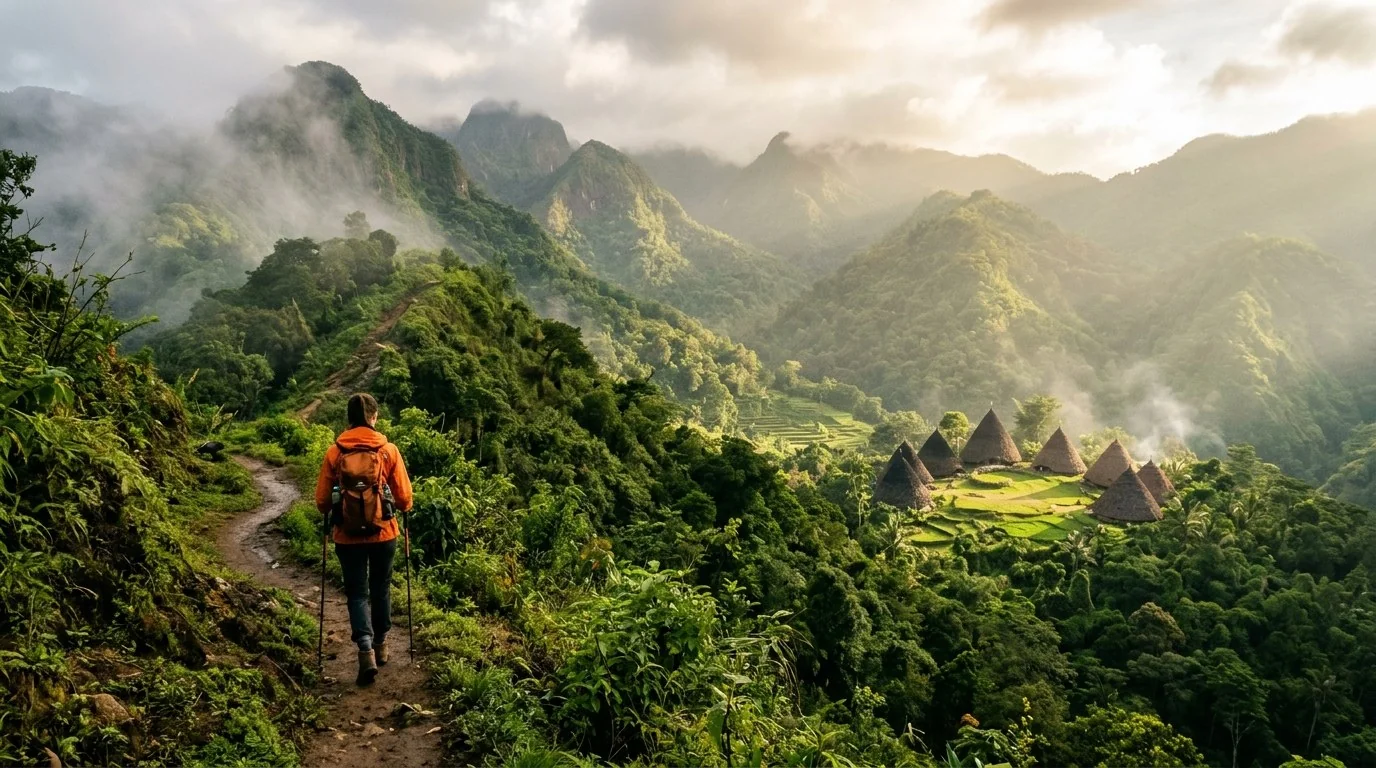
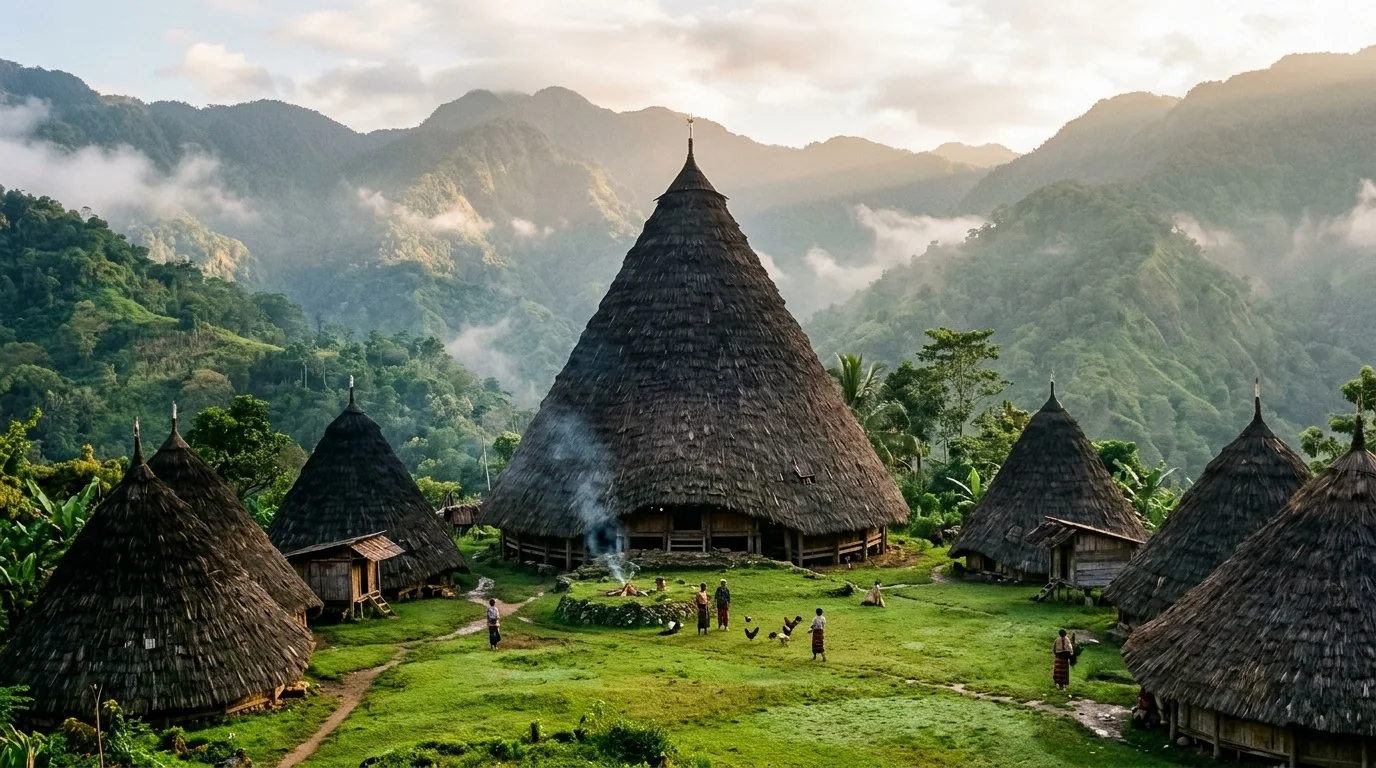
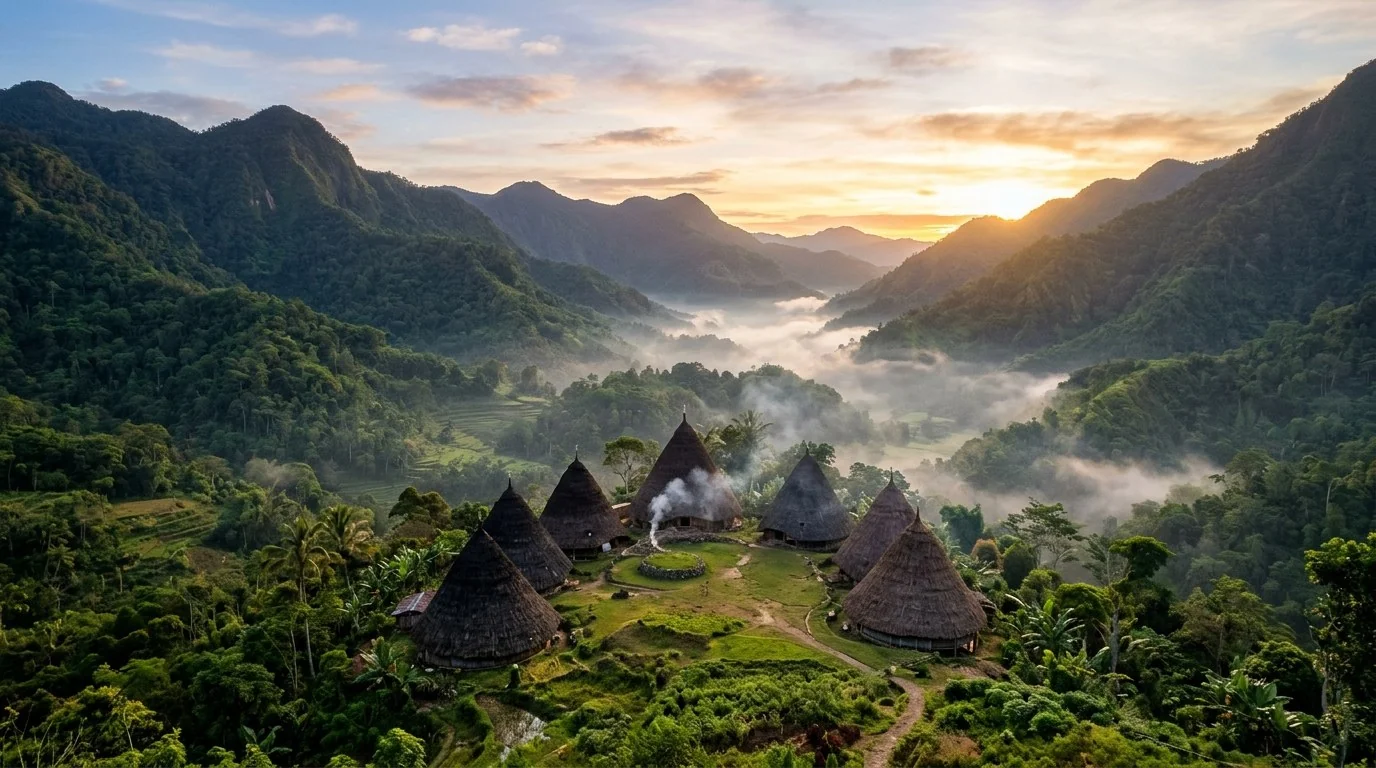
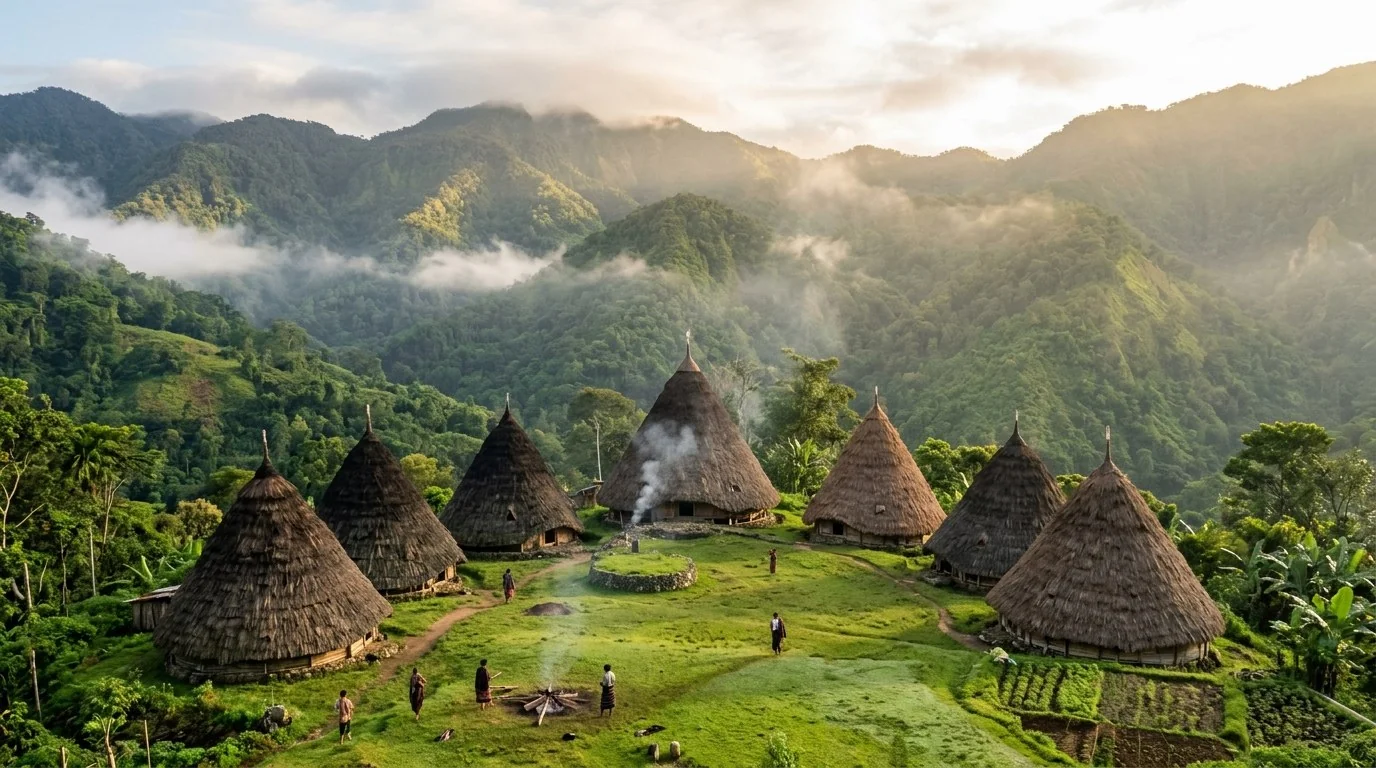
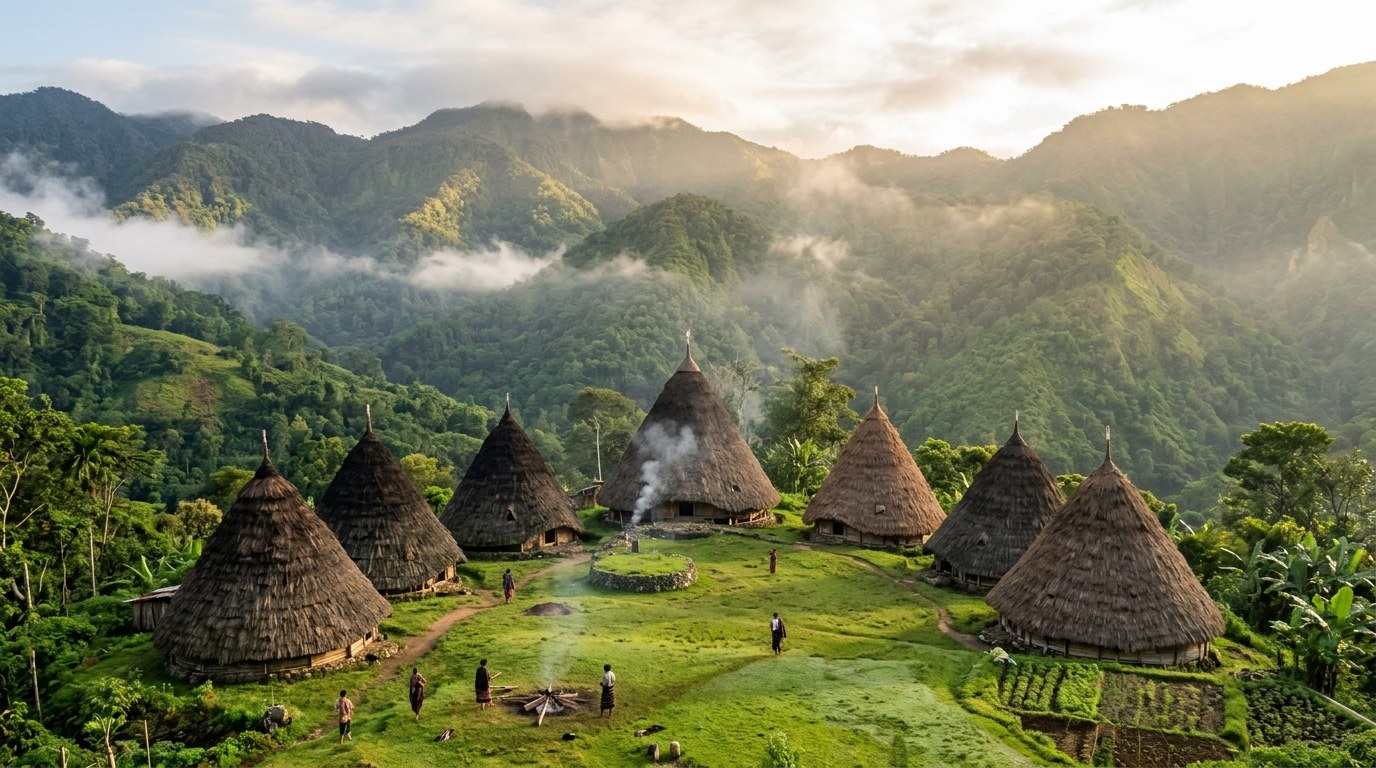
After navigating the 4 to 5-hour drive from Labuan Bajo and tackling the steady 2 to 3-hour hike through lush rainforest from Denge, reaching the final ridge overlooking Desa Wae Rebo feels like stepping into a mythical realm. Seven towering conical thatch structures sit symmetrically arranged across a vibrant green bowl, often draped in swirling tendrils of mist.
Before unpacking or exploring the courtyard, visitors must first be formally introduced to the ancestral spirits. Your guide escorts you directly to the Mbaru Gendang (the main communal house) for the traditional Waelu'u blessing ceremony. Guided by the village elder, this heartfelt ritual grants safe passage, spiritual welcome, and hospitality during your stay.
The Warmth of Local Manggarai Hospitality
Once welcomed, you are assigned to a designated communal guest house. Sleeping inside a Mbaru Niang is an intimate shared experience. Constructed across five tiers entirely from timber, bamboo, and woven lontar leaves without a single nail, the ground tier serves as the communal living and resting quarters.
Village hosts provide thick woven mats, soft mattresses, clean blankets, and pillows arranged side-by-side along the circular wooden perimeter. While facilities are purposefully rustic—shared bathrooms with refreshingly crisp mountain water and electricity powered by a village generator that turns off around 10:00 PM—the genuine warmth and gentle smiles of your Manggarai hosts make you feel completely at home.
Authentic Village Meals and Fresh Manggarai Coffee
Gathering around the communal hearth as darkness settles over the mountain valley is a highlight of the visit. Dinner is hearty, freshly prepared, and served family-style. You will typically savor warm steamed rice accompanied by sautéed garden vegetables, local scrambled eggs or braised chicken, flavorful tempeh, and homemade sambal.
No highland gathering is complete without fresh Manggarai Arabica and Robusta coffee. Cultivated right on the surrounding hillsides, hand-picked, sun-dried, and roasted over open wood fires by the village mothers, this rich, earthy brew provides the perfect companion to leisurely evening conversations.
Stargazing and Night Atmosphere in the Highlands
When the generator shuts down at 10:00 PM, an enchanting stillness envelopes Wae Rebo. At 1,200 meters elevation, far from coastal city lights or cellular towers, the highland sky turns into an awe-inspiring celestial canvas.
Stepping out onto the grass courtyard rewards you with brilliant views of the Milky Way, meteor streaks, and countless constellations shining brightly above the pitch-black silhouettes of the thatched roofs. Mountain temperatures frequently drop to 15°C (59°F), so slip on a fleece jacket or beanie before wrapping yourself in your blanket inside the cozy timber dome.
Waking Up to Morning Mist and Roosters
Dawn in Wae Rebo breaks with the natural chorus of crowing roosters, birdsong, and the soft rustle of village life. As the first sunlight crests the surrounding peaks, wisps of golden morning mist drift gently across the roofs.
Taking an early morning stroll lets you witness daily routines in motion: mothers laying out freshly picked coffee beans on woven tarps to dry under the sun, children playing before morning studies, and elders tending weaving looms. Following a light breakfast of warm pancakes or fried bananas accompanied by another hot glass of Flores coffee, you have ample time to take memorable photos before bidding farewell.
Planning Your Return Trip to Labuan Bajo
The return trek from Wae Rebo downhill to Denge takes roughly 2 hours, offering fresh perspectives on coastal ridges and river valleys. For a stress-free adventure with all logistics handled seamlessly—including AC overland transport, entrance permits, local porter assistance, and traditional meals—travelers often choose a scheduled Open Trip Desa Wae Rebo starting and ending directly in Labuan Bajo. On the drive back, most itineraries pause to admire the fascinating web-patterned rice paddies in Lembor, capping off an unforgettable 2-day highland cultural journey.
Practical Essentials to Pack
- Warm layer or light fleece jacket (highland nights get brisk)
- Headlamp or small flashlight for navigating after electricity turns off
- Sturdy walking shoes with reliable grip for rainforest trails
- Power bank to keep devices charged
- Modest clothing out of respect for local customary etiquette
- Cash in small denominations for handcrafted village coffee and local textiles
Sources
- UNESCO Asia-Pacific Heritage Awards: Conservation of Mbaru Niang, Wae Rebo
- Flores Tourism Office & Manggarai Regency Cultural Guidelines
- Field reports and community-based homestay records, Wae Rebo Village