
First-Timer's Guide to the Wae Rebo Trek: Route, Fitness, and Preparation
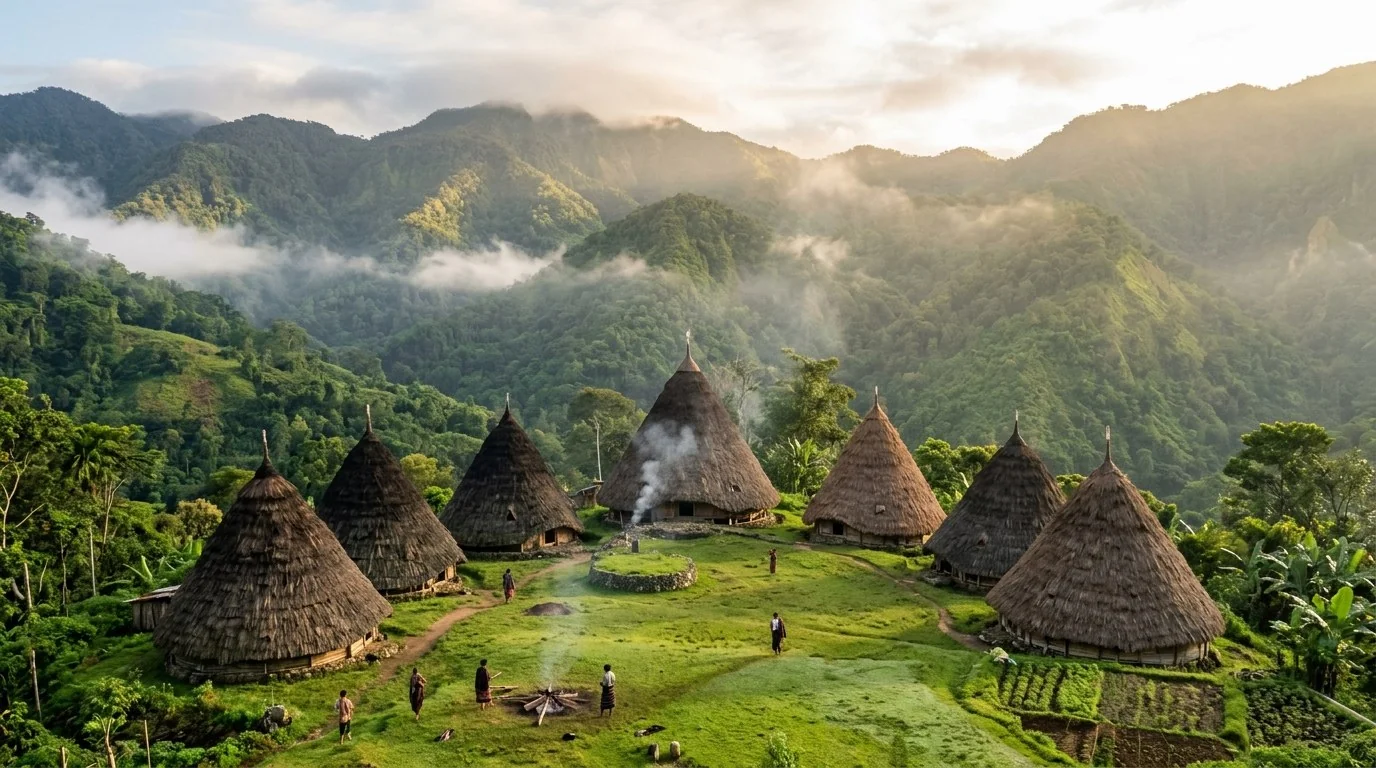
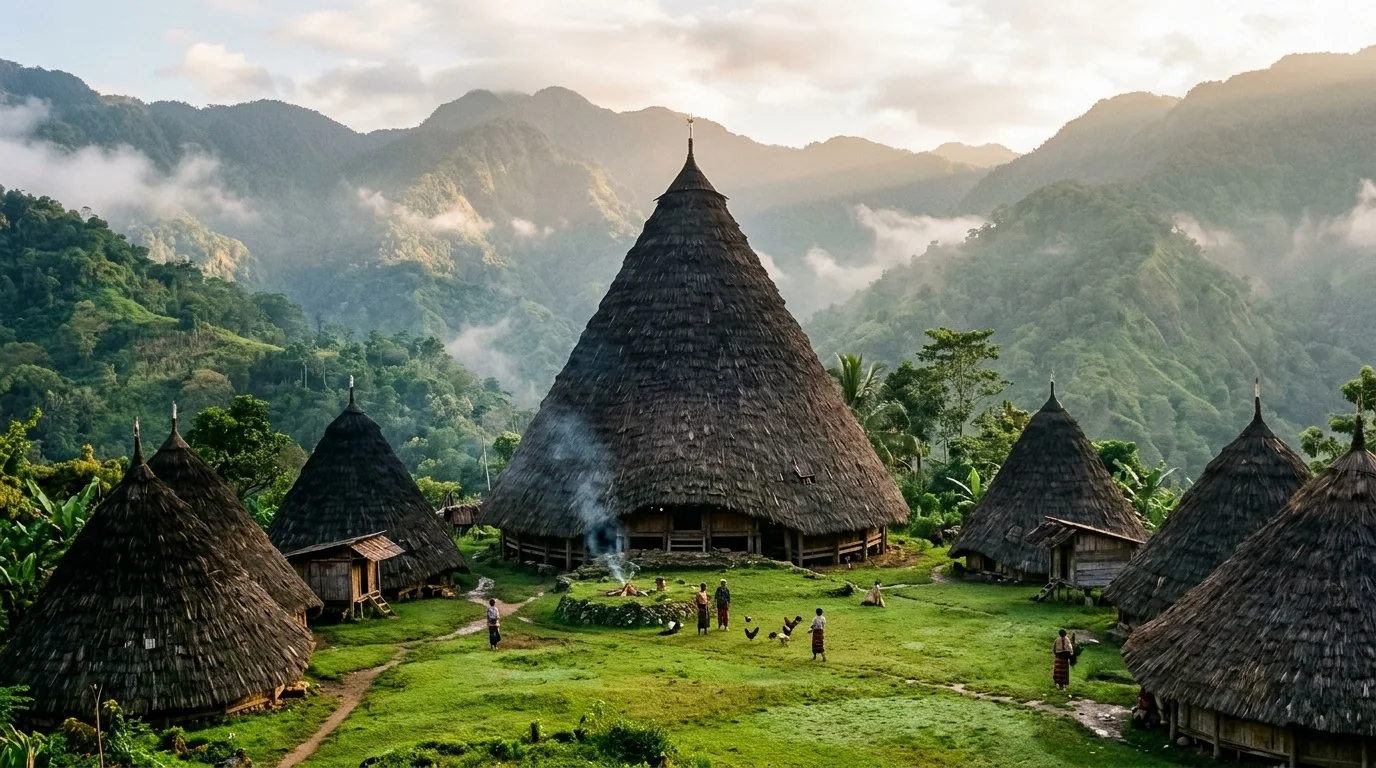
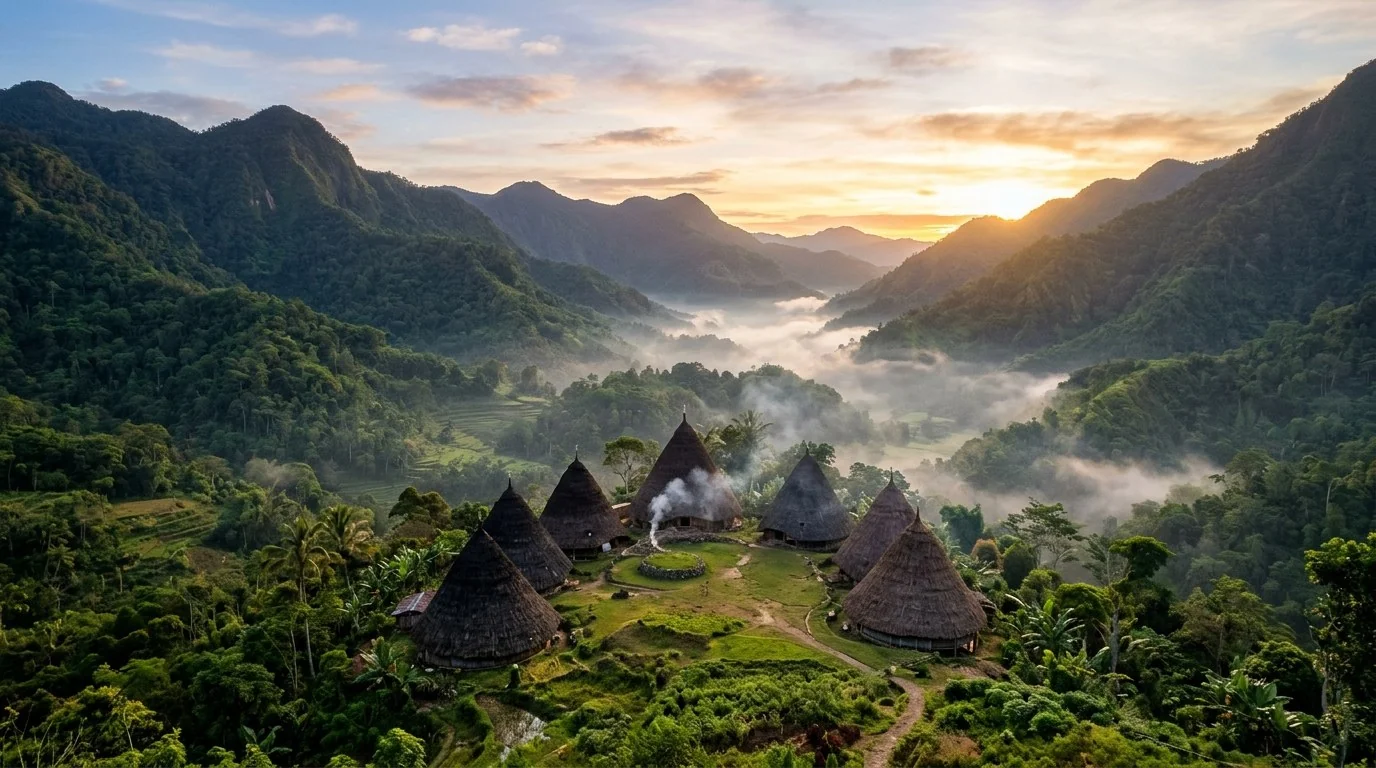
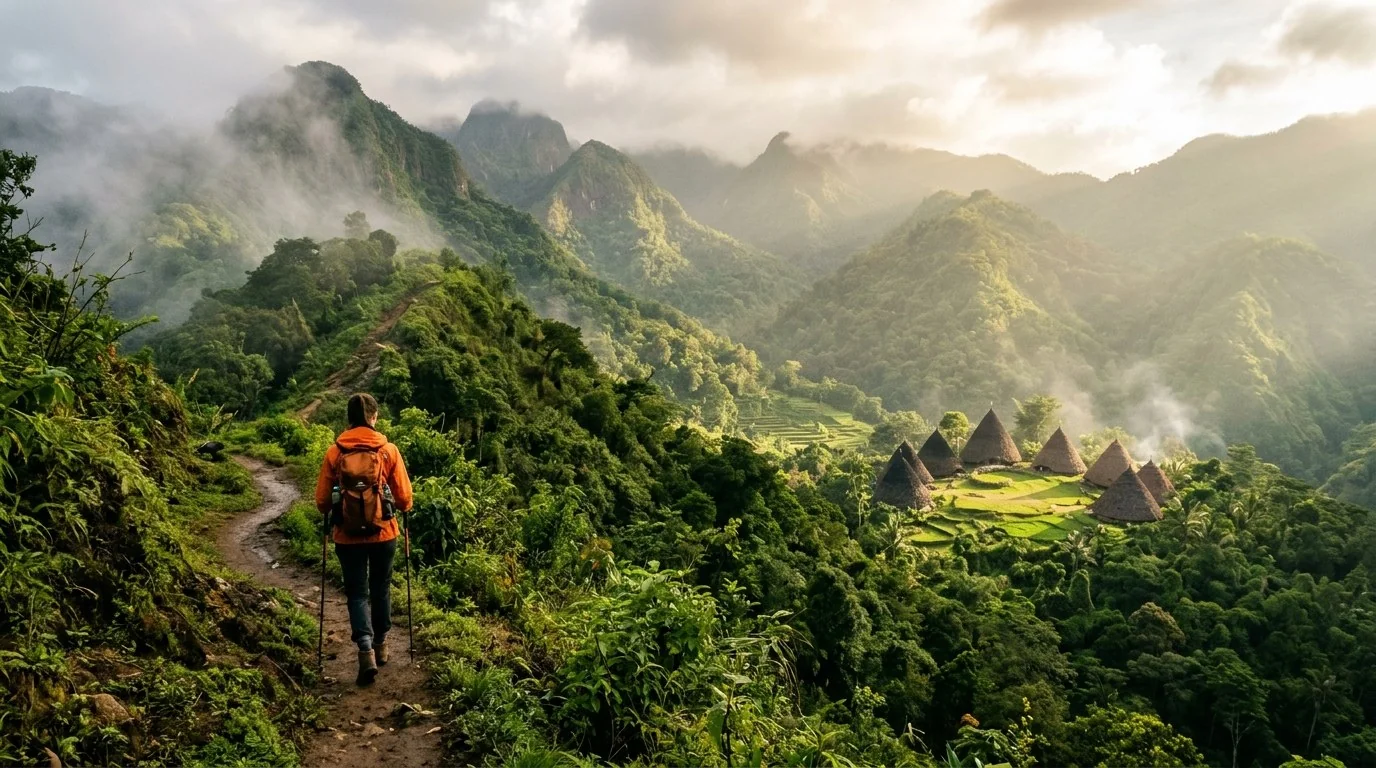
Tucked deep within the mist-clad highlands of West Manggarai, Desa Wae Rebo feels like stepping into another era. Famous for its seven iconic cone-shaped thatch houses known as Mbaru Niang, this UNESCO-recognized village sits at roughly 1,200 metres above sea level. While reaching this legendary settlement requires a multi-hour mountain hike, taking your first steps along the trail doesn’t have to feel daunting. If you are planning your maiden voyage, here is everything you need to know about the trail, your physical preparation, packing necessities, and how to seamlessly turn this hike into an epic Flores itinerary.
Getting from Labuan Bajo to Denge Basecamp
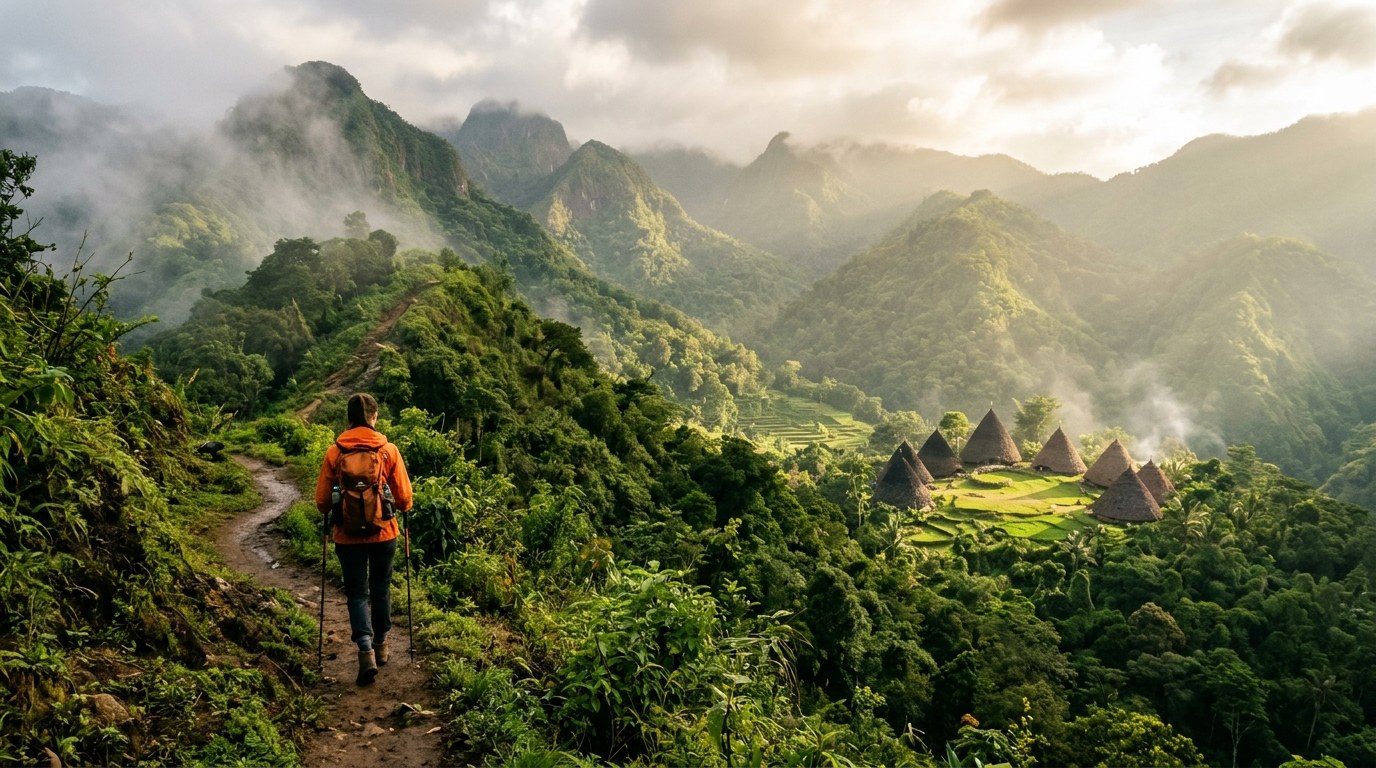
Your journey begins in the vibrant coastal hub of Labuan Bajo. To reach the trail, you will travel overland through southwest Flores to Denge, the traditional basecamp village for the hike.
- Drive Time & Route: The road journey spans approximately 4 to 5 hours across scenic winding mountain passes, coastal stretches, and lush countryside. Joining an organized Open Trip Wae Rebo is the smoothest route, as it includes air-conditioned road transfers directly from your Labuan Bajo hotel.
- The Ojek Shortcut to Pos 1: In the past, trekkers walked an extra paved 3 kilometres uphill from Denge to reach the jungle gate. Today, local motorcycle taxis (ojek) will ferry you across this steep preliminary stretch to Pos 1 (Wae Lomba) in about 10–15 minutes, saving your legs for the true rainforest ascent.
The 3-Post Trek: Distance, Terrain, and Elevation
From the trailhead at Pos 1 to the village itself, the hike covers roughly 4.5 to 5 kilometres each way, taking most first-timers between 2 to 3 hours depending on pace and photo stops. The trail climbs around 600 vertical metres through pristine montane rainforest divided into three distinct checkpoints:
Pos 1: Wae Lomba (~600 mdpl)
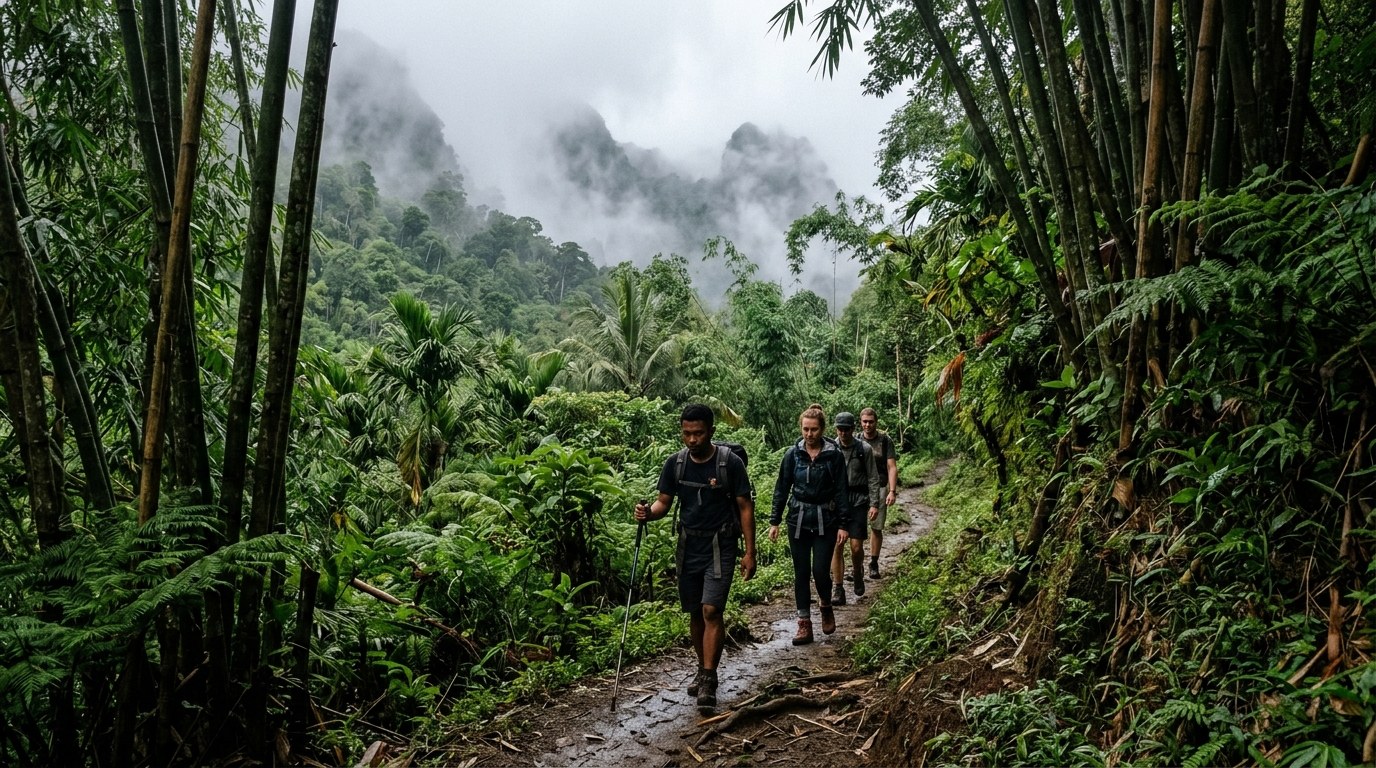
After crossing a rustic wooden footbridge over the clear Wae Lomba river, you enter dense canopy. The trail immediately begins a gradual incline beneath bamboo groves and lush ferns. Shaded trees provide welcome respite from the tropical sun, though the humidity will get your heart pumping early.
Pos 2: Pocoroko (~1,000 mdpl)
Reached around 1 to 1.5 hours into your hike, Pocoroko perches on an exposed mountain ridge. There is a shelter bench where you can catch your breath, hydrate, and enjoy panoramic views over cascading green ravines and the Savu Sea shimmering far below.
Pos 3: Nampe Bakok (~1,250 mdpl)
The highest elevation point along the route! Here sits a traditional bamboo slit drum (kentongan). Your guide or porter will strike the kentongan to announce to the villagers below that guests have arrived. Nampe Bakok offers your breathtaking first glimpse of Wae Rebo: a circular clearing of dramatic cone roofs nested peacefully in the bowl of the emerald valley. From here, an easy 15-minute downhill descent brings you straight into the village.
Physical Prep: How Fit Do You Really Need to Be?
You do not need to be an ultramarathoner to conquer Wae Rebo. The trail is well-trodden and non-technical—no scrambling or cliff edges involved. However, because it consists of sustained uphill climbing in humid conditions, a moderate baseline fitness is essential for an enjoyable experience:
- Cardio Endurance: If you can comfortably walk 5 to 8 kilometres or climb stairmasters for 30 minutes without feeling exhausted, you are in great shape for this hike.
- Leg Strength & Knees: The descent on Day 2 can put pressure on the knees and quadriceps. Practicing lunges, squats, or taking walking poles can ease joint fatigue.
- Pacing Yourself: The secret is keeping a steady, rhythmic pace. Don't rush Pos 1; take sips of water regularly and soak in the bird calls and rustling leaves of the virgin forest.
Packing Checklist: Trekking Shoes to Power Banks
Remember that you must carry your own overnight daypack up the mountain (unless you hire a local porter in Denge). Keep your load light—aim for 4 to 6 kg max—and pack these essentials:
- Trekking Footwear: Sturdy trail running shoes or hiking boots with deep traction lugs. Avoid smooth-soled city sneakers, as rainforest loam can turn slick.
- Warm Layers & Windbreaker: While daytime hiking is warm, highland night temperatures at 1,200 metres drop to 15°C. Pack a warm fleece, comfortable sleeping trousers, and dry socks.
- Rain Protection: Weather in tropical mountains can shift rapidly. Keep a compact waterproof poncho or lightweight rain jacket easily accessible.
- Power Bank: Village generator electricity operates only between 18:00 and 22:00. Carry a 10,000–20,000 mAh power bank for cameras and phones.
- Headlamp or Torch: Useful for navigating around the communal compound or bathrooms after the village generator shuts down.
- Cash & Modest Attire: Keep small Indonesian Rupiah banknotes handy for local Flores coffee purchases and porter tips. When walking around the village, dress respectfully with covered shoulders and knees.
Best Time of Year for Clear Mountain Views
The optimum window for trekking to Wae Rebo coincides with the Flores dry season from April to November. During these months, trails are firmer, leeches are virtually non-existent, and early morning mist burns off to reveal crisp blue mountain ridges. June to September typically brings cool alpine breezes and dazzling starry skies. While the rainy months (December to March) paint the hillsides in lush jade, persistent rains make the descent slippery and fog can obscure the panoramic valley views.
Connecting Your Hike with a Labuan Bajo Phinisi Trip
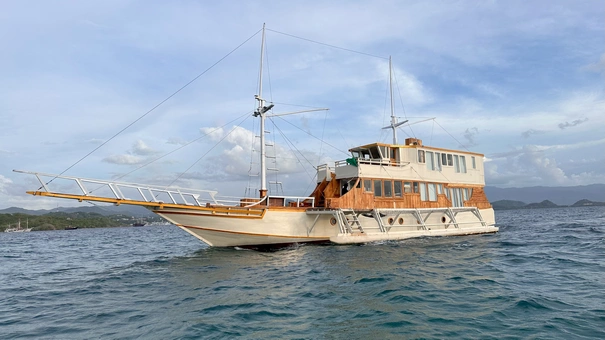
A journey to Wae Rebo is the ultimate land compliment to a Komodo sailing adventure. A popular and time-efficient itinerary begins with a 2-day overland trek into Wae Rebo, resting your hiking muscles overnight in a traditional Mbaru Niang. On your return drive past the unique spiderweb rice fields of Lembor, you head back to town to board a luxury Komodo Liveaboard Phinisi for 3 days of world-class island hopping, manta snorkeling, and watching pink sunsets across Komodo National Park.
Sources
- UNESCO Asia-Pacific Awards for Cultural Heritage Conservation — Wae Rebo Cultural Heritage Documentation
- Ministry of Tourism and Creative Economy of the Republic of Indonesia (Kemenparekraf)
- Discover Flores Regional Tourism Guide & Manggarai Regency Trekking Profiles